NORTH AMERICA — The Commercial Vehicle Safety Alliance’s International Roadcheck inspection blitz is coming up May 12-14, 2026, covering the United States, Canada, and Mexico. Here is what commercial drivers need to know before it arrives.
What Is International Roadcheck?
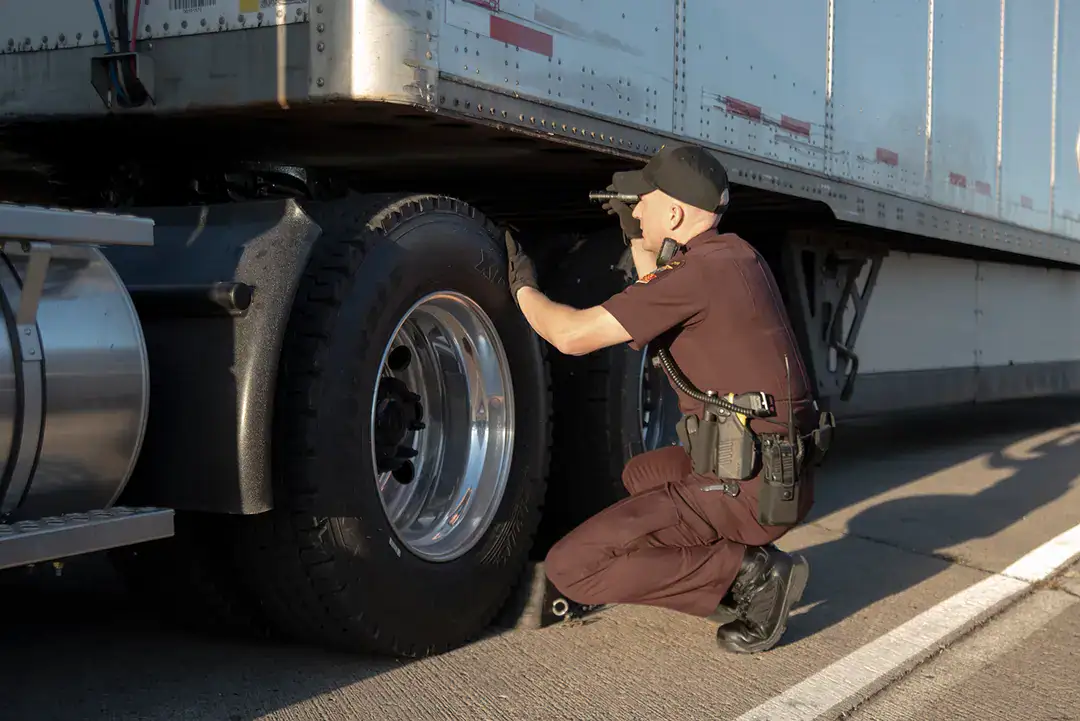
International Roadcheck is the largest targeted commercial vehicle enforcement program in the world. During the 72-hour event, CVSA-certified inspectors conduct an average of nearly 15 trucks and motorcoaches per minute across North America. Since its launch in 1988, roadside inspections during Roadcheck have totaled more than 1.8 million. Inspectors man weigh stations, inspection stations, and pop-up inspection sites to perform the North American Standard Level I Inspection, which covers both the driver and the vehicle.
This Year’s Focus Areas
Each year CVSA selects two areas of emphasis. For 2026, the driver focus is on electronic logging device tampering, falsification, or manipulation. The vehicle focus is on cargo securement.
What Inspectors Will Check
During the driver portion, inspectors will review driver qualifications, license, record of duty status, medical examiner’s certificate, seat belt usage, skill performance evaluation certificate if applicable, Drug and Alcohol Clearinghouse status in the U.S., and signs of drug or alcohol impairment. Any critical violations will result in the driver being placed out of service.
During the vehicle portion, inspectors will check brake systems, cargo securement, coupling devices, driveline and driveshaft components, driver’s seat, fuel and exhaust systems, frames, lighting devices, steering mechanisms, suspensions, tires, wheels, rims, hubs, and windshield wipers. Critical safety violations will result in the vehicle being placed out of service.
Commercial vehicles that pass a Level I or Level V inspection without critical violations may receive a CVSA decal, signaling to enforcement personnel that the vehicle was recently inspected and cleared.
Participating Agencies
Roadcheck is sponsored by CVSA with participation from the Federal Motor Carrier Safety Administration, the Pipeline and Hazardous Materials Safety Administration, the Canadian Council of Motor Transport Administrators, Transport Canada, and Mexico’s Ministry of Infrastructure, Communications and Transportation.
📸 Image(s) used under fair use for news reporting.


